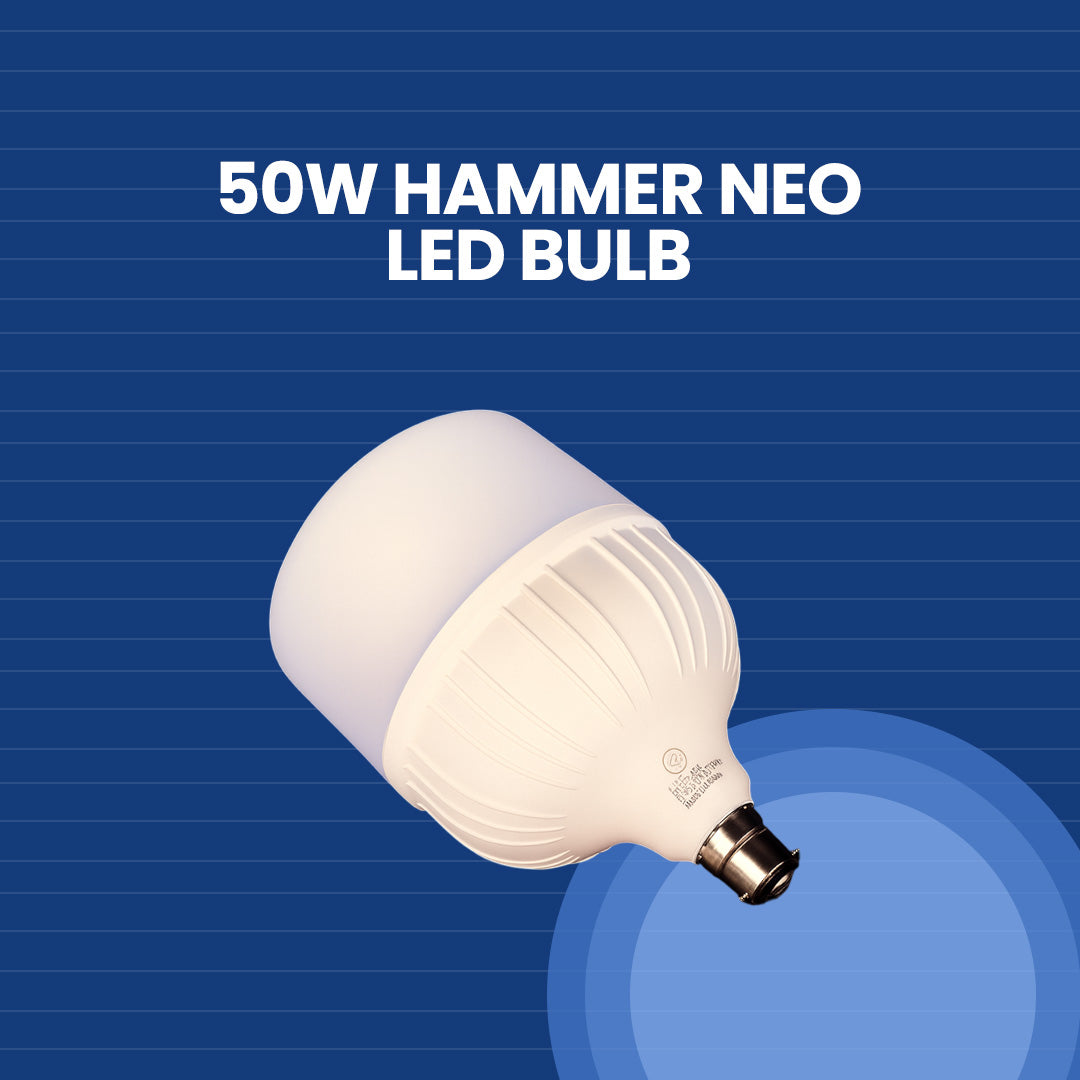
23W LED Hammer Bulb: The Complete Guide to Brighter, More Efficient Home Lighting
Some rooms just need more light than a standard bulb can comfortably provide — a large living room, a garage workspace, a warehouse corner, or a hallway that always seems dimmer than the rest of the house. This is exactly where a 23W LED Hammer Bulb earns its place. Its distinctive hammerhead shape spreads light more widely across a room than a standard bulb shape, delivering serious brightness while still holding onto the energy savings that make LED lighting worth switching to in the first place.
This guide covers what this bulb actually offers, how it compares to older lighting technology, where it makes the most sense to use one, and what to look for when choosing a genuinely reliable 23W LED Hammer Bulb rather than a cheaper option that underperforms.
What Makes This Bulb Different
A quality version of this bulb produces brightness roughly comparable to a 150–200 watt incandescent bulb, depending on the specific product and its lumen output. That's a substantial amount of light for a single fixture, which is exactly why this wattage and shape combination tends to show up in larger rooms, task-heavy spaces, or areas where a dimmer bulb simply wouldn't cut it.
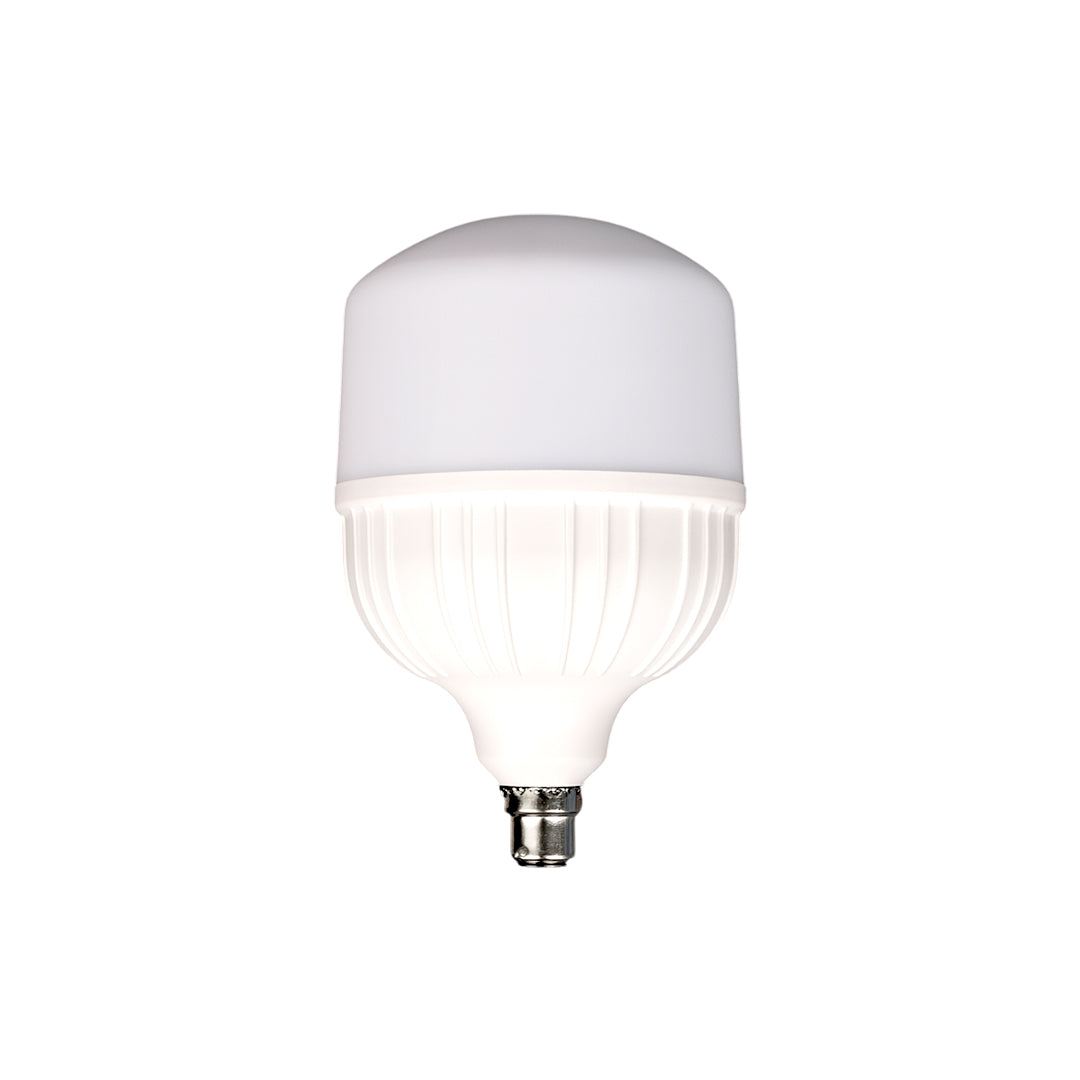
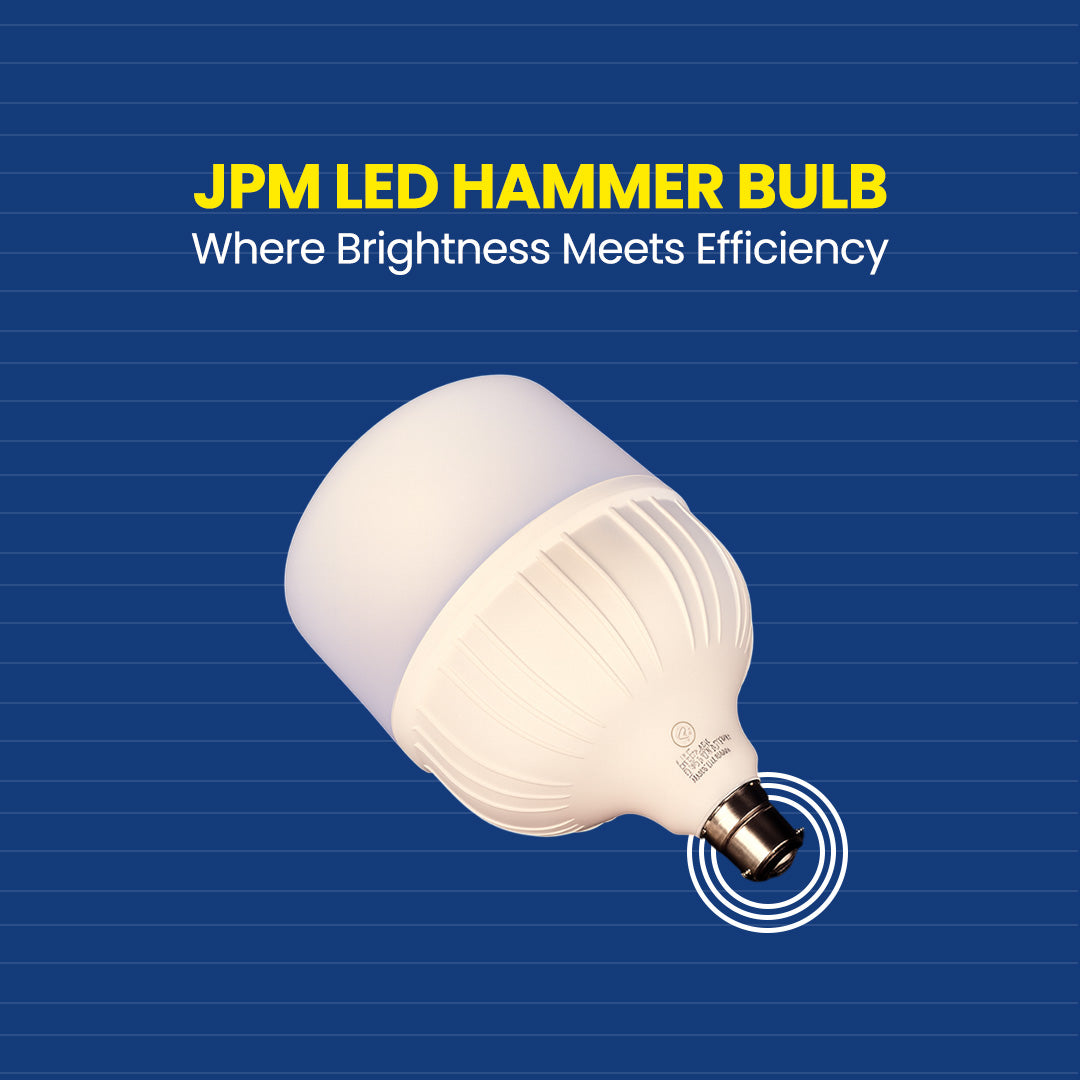
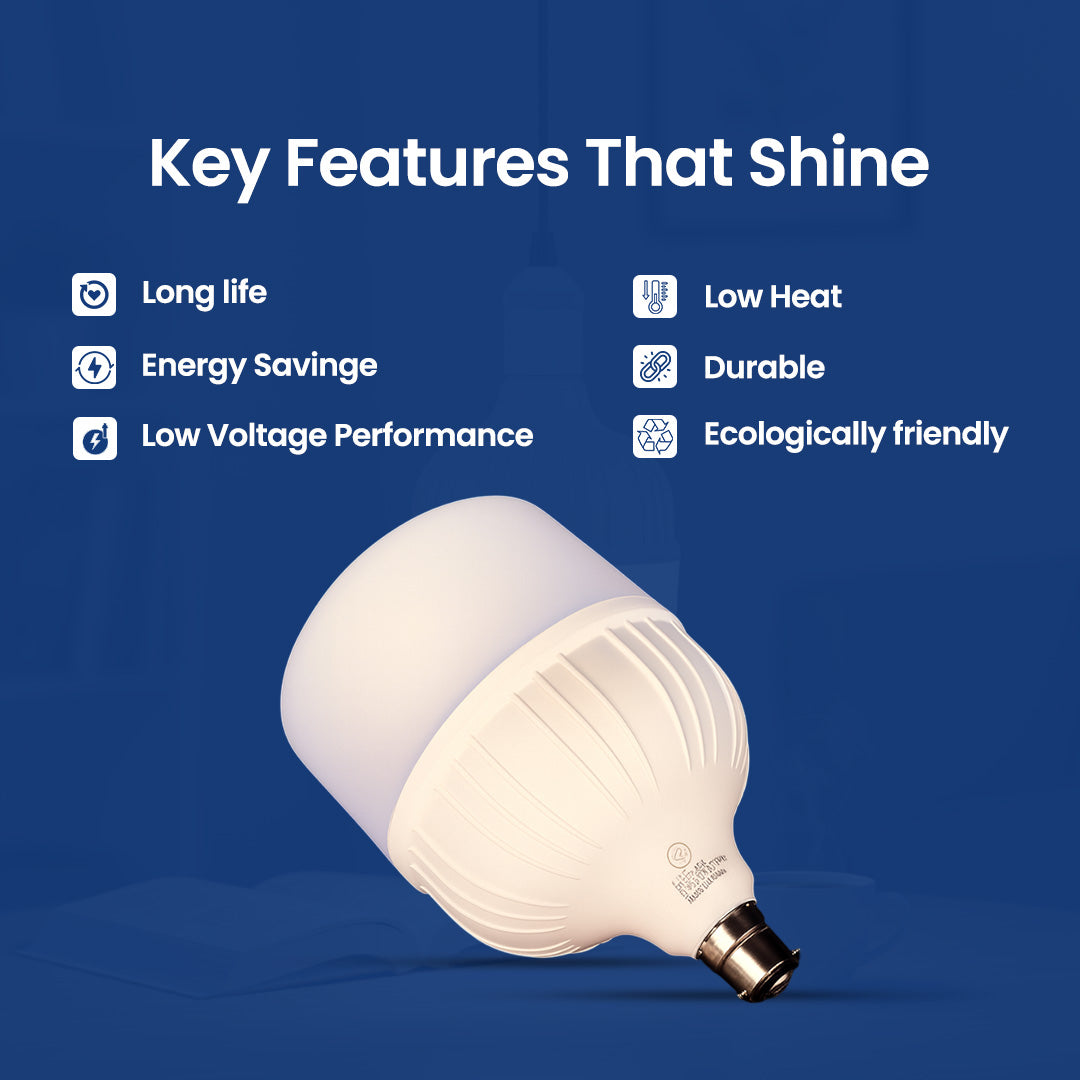
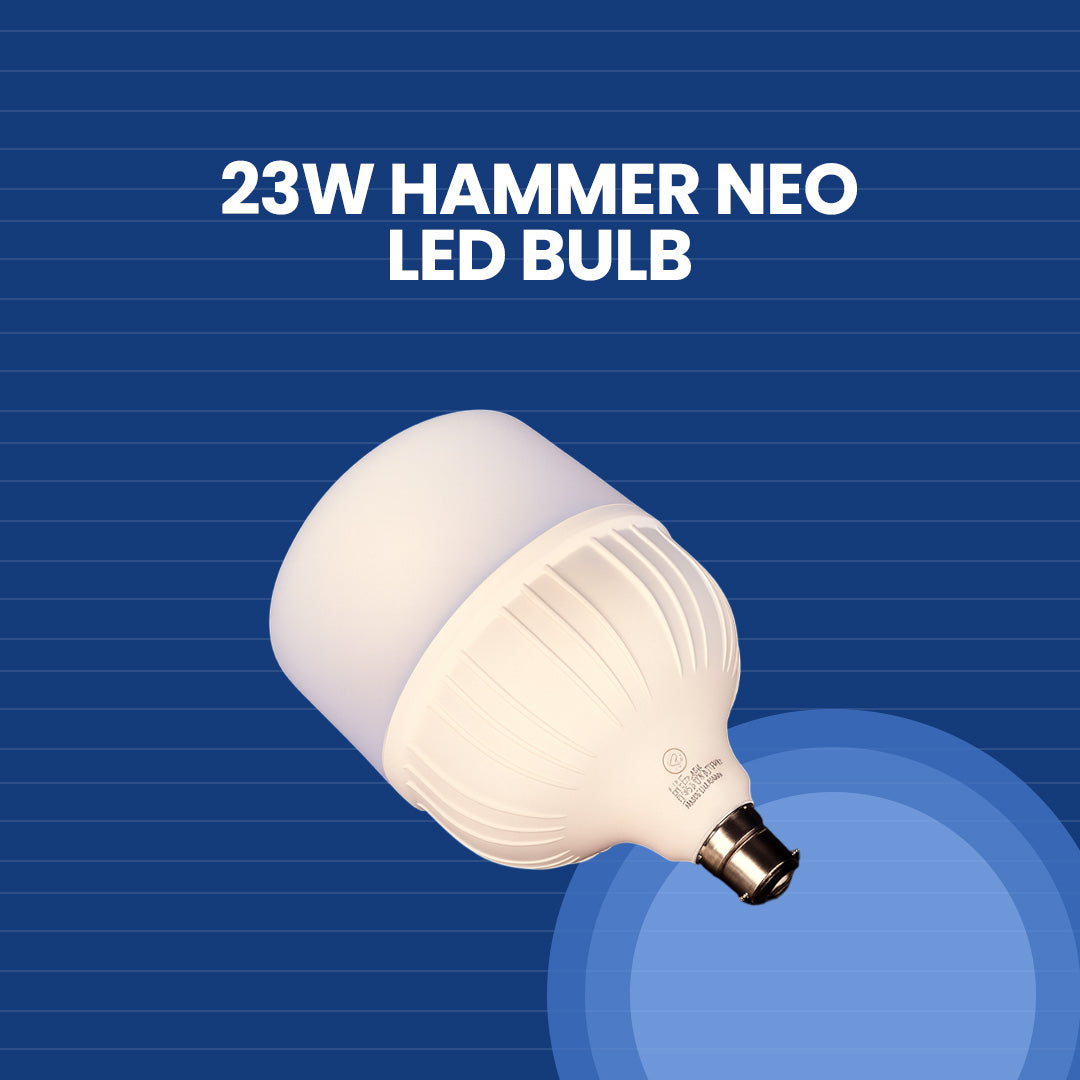
The hammer-shaped design isn't just cosmetic. The wider head houses more LED chips arranged to throw light in a broader pattern than a standard bulb shape can manage, which is part of why this style has become popular specifically at higher wattages like 23W. Unlike older lighting technology, this bulb reaches full brightness instantly, with no flickering or warm-up delay. It also runs considerably cooler to the touch than an incandescent bulb of comparable brightness, since LED technology wastes far less energy as heat — a detail that matters both for safety and for the surrounding fixture's longevity.
Why Choose This Wattage Over a Lower Option
It Covers Larger Spaces Without Needing Multiple Fixtures
One of the most practical reasons people choose this bulb is simple: it can light a bigger area with a single fixture, rather than requiring two or three lower-wattage bulbs spread across a room. For large living rooms, open-plan spaces, or high-ceiling areas, this often works out both more convenient and more cost-effective than installing multiple smaller fixtures.
It Suits Task-Heavy Environments
Workshops, garages, home offices, and kitchens often benefit from the extra brightness a 23W LED Hammer Bulb provides. Tasks that demand good visibility, detailed work, reading, cooking, are noticeably easier under strong, even lighting rather than a dim or unevenly distributed glow.
It Still Delivers Real Energy Savings
It's a common assumption that a higher-wattage bulb automatically means a higher electricity bill, but that's where the comparison to older lighting technology matters most. This bulb still uses dramatically less power than an incandescent bulb producing comparable brightness, the wattage number reflects LED consumption, not the old-technology equivalent it's replacing. In practical terms, replacing a 150-watt incandescent bulb with a 23W LED Hammer Bulb still cuts electricity use by well over 80%, even at this higher end of the LED wattage range.
It Lasts Significantly Longer Than Older Bulbs
A quality hammer-style LED bulb at this wattage is typically rated for tens of thousands of hours of use, compared to roughly 1,000 hours for a standard incandescent bulb. Over the life of the bulb, that translates into far fewer replacements, less hassle, and lower long-term costs, even accounting for a somewhat higher upfront purchase price.
Large Living Rooms and Open-Plan Spaces
Bigger rooms need more light to feel properly illuminated, and a single fixture at this wattage can often cover the need more efficiently than multiple lower-wattage bulbs scattered across the ceiling.
Garages and Workshops
Detailed or technical work benefits enormously from strong, even lighting. A 23W LED Hammer Bulb provides the kind of brightness that makes fine work, repairs, woodworking, detailed projects, noticeably easier and safer.
Warehouses and Commercial Spaces
Many commercial and semi-industrial spaces rely on higher-wattage LED bulbs specifically because covering large areas efficiently matters more than in a typical home setting. This bulb strikes a reasonable balance between strong output and manageable energy consumption for these settings.
Outdoor and Security Lighting
For porches, driveways, or security fixtures where visibility genuinely matters, the extra brightness at this wattage can make a meaningful difference, particularly in fixtures covering a wider area than a typical indoor lamp.
High-Ceiling Rooms
Light naturally loses some intensity over distance, so rooms with high or vaulted ceilings often benefit from a brighter bulb to maintain adequate illumination at floor level. A 23W LED Hammer Bulb helps compensate for that extra distance without needing additional fixtures.
What to Look for in a Quality Hammer-Style LED Bulb
Lumen Output, Not Just Wattage
Wattage alone doesn't tell the whole story, lumens measure actual brightness, and two bulbs at the same wattage can still produce noticeably different light output depending on the efficiency of their internal components. Checking the lumen rating on the packaging gives a clearer picture of real-world brightness than wattage alone.
Color Temperature That Matches the Space
Most options in this category come in a range of color temperatures, warm white for relaxed, residential spaces, and cool or daylight white for task-focused areas like garages, workshops, or kitchens. Choosing the wrong color temperature for a space can make even a genuinely bright bulb feel like the wrong fit.
Base Compatibility With Your Fixture
Before buying, confirm the base type matches your existing fixture, common options include E26/E27 screw bases or larger bases sometimes used in higher-wattage fixtures. A mismatch here is one of the most common, easily avoidable mistakes buyers make.
Heat Management and Build Quality
Higher-wattage LED bulbs generate more heat internally than lower-wattage options, even though that heat is still far less than an incandescent equivalent. A well-built 23W LED Hammer Bulb includes proper heat sink design in its wider head, protecting both the bulb's lifespan and the safety of the surrounding fixture.
Certification and Warranty
Look for relevant safety certifications appropriate to your region, along with a reasonable warranty period. A manufacturer willing to back this kind of bulb with a solid warranty is generally signaling real confidence in its build quality and expected lifespan.
Installation and Fixture Considerations
Before installing one, it's worth checking that the fixture itself is rated to handle a bulb of this wattage and heat output. Enclosed fixtures, in particular, can trap heat differently than open fixtures, and while LED bulbs run far cooler than incandescent options, checking fixture compatibility is still a reasonable precaution, especially in older fixtures not originally designed with LED wattages in mind.
Dimmer compatibility is another detail worth confirming upfront. Not every hammer-style bulb at this wattage is dimmable, and pairing a non-dimmable bulb with a dimmer switch can cause flickering or reduced bulb life. Checking the packaging for dimmer compatibility avoids this issue entirely.
Common Mistakes When Buying a 23W LED Hammer Bulb
A few recurring mistakes show up often among buyers choosing a higher-wattage LED bulb for the first time. Assuming all products at this wattage produce identical brightness is one of the most common, lumen output varies meaningfully between brands, even at the same wattage. Ignoring color temperature is another frequent oversight, leading to a bulb that's technically bright enough but feels wrong for the room's actual purpose. And skipping a check on base compatibility or fixture rating before purchasing can mean an otherwise good 23W LED Hammer Bulb simply doesn't fit or isn't suited to the intended fixture.
Comparing This Bulb to Lower Wattage Options
For smaller rooms or accent lighting, a lower-wattage bulb, 9W or 12W, for example, is often more appropriate and more efficient for the actual need. This higher-wattage option is specifically suited to situations where genuine brightness matters more than minimal energy use, such as larger rooms, task lighting, or spaces with higher ceilings. Choosing the right wattage for the specific space, rather than defaulting to the brightest option available, tends to deliver the best balance between comfort, function, and electricity cost.
Why This Bulb Still Makes Financial Sense
Even at this higher end of the LED wattage range, the electricity savings compared to older lighting remain substantial. Over a year of regular use, this bulb continues to cost meaningfully less to run than an incandescent bulb producing similar brightness, while also avoiding the frequent replacement costs that come with shorter-lived bulb types. For anyone lighting a larger space, this combination of strong output and genuine efficiency is exactly why the 23W LED Hammer Bulb has become a popular choice rather than settling for multiple smaller bulbs or reverting to older, less efficient lighting technology.
Maintenance Tips for Longer Bulb Life
This style of bulb generally requires very little maintenance, but a few habits help preserve its expected lifespan. Keeping the bulb and fixture free of dust buildup helps maintain consistent brightness over time, and dust tends to settle more easily into the grooves of a hammer-shaped head than a standard rounded bulb. Avoiding use in fixtures that aren't rated for the bulb's wattage or heat output protects both the bulb and the fixture itself. And checking connections periodically, particularly in older fixtures, helps catch any wiring issues before they affect performance.
How a 23W LED Hammer Bulb Fits Into a Whole-Home Lighting Plan
Most homes don't actually need this wattage in every fixture, and that's fine. A well-planned lighting setup usually mixes wattages depending on each room's purpose. Bedrooms and small hallways typically do well with something in the 6–12W range, while kitchens, living rooms, garages, and larger open spaces are where this higher-output option genuinely earns its keep. Thinking room by room, rather than buying the same wattage for the entire house, tends to produce better results than defaulting to either the brightest or cheapest option everywhere.
It's also worth considering how many fixtures a room actually has. A room with three or four ceiling points might do just fine with lower-wattage bulbs spread across each one, while a room relying on a single central fixture often benefits more from concentrating brightness into that one point. This is part of why a 23W LED Hammer Bulb tends to show up specifically in single-fixture rooms or spaces where adding more fixtures simply isn't practical.
How This Compares to Similar Higher-Wattage Options
It's worth understanding where this sits relative to nearby wattages, since the differences matter more than people sometimes expect. An 18W option produces noticeably less brightness and suits mid-sized rooms reasonably well, but can feel underpowered in genuinely large spaces. Moving up to 30W or higher starts to make sense mainly in commercial or industrial settings, where energy cost becomes a bigger factor relative to the area being lit. Sitting between these, the 23-watt hammer style tends to hit a practical middle ground, bright enough for demanding residential and light commercial use, without stepping into genuinely commercial-scale power consumption.
This middle position is part of why it shows up so often in product recommendations for garages, larger living rooms, and workspaces specifically, it's rarely the first bulb someone thinks to buy, but it's often the right one once the room's actual lighting needs are properly considered.
A Quick Buyer's Checklist
Before finalizing a purchase, running through a short checklist helps avoid the most common mistakes:
Confirm the lumen output on the packaging, not just the wattage number
Choose a color temperature that actually matches the room's purpose
Double-check the base type matches your existing fixture
Verify the fixture is rated to handle this wattage and its heat output
Check dimmer compatibility if the fixture is on a dimmer switch
Look for a certification mark relevant to your region
Confirm the warranty period before completing the purchase
Working through this list takes only a couple of minutes but meaningfully reduces the chance of ending up with a bulb that doesn't fit the fixture, doesn't suit the room, or underperforms compared to what the packaging suggested.
Final Thoughts
A 23W LED Hammer Bulb offers a genuinely useful combination of strong brightness and real energy efficiency, making it a smart choice for larger rooms, task-heavy spaces, and areas where a standard bulb simply doesn't provide enough light. Whether you're upgrading a garage, brightening a large living room, or replacing an old, inefficient incandescent bulb, choosing a properly built option, with the right lumen output, color temperature, and base compatibility, makes a real difference in both day-to-day comfort and long-term electricity costs.
For anyone comparing lighting options for a space that genuinely needs strong, reliable illumination, a well-chosen 23W LED Hammer Bulb remains one of the more practical upgrades available, delivering noticeably better performance than older lighting technology without the ongoing costs that used to come with it.