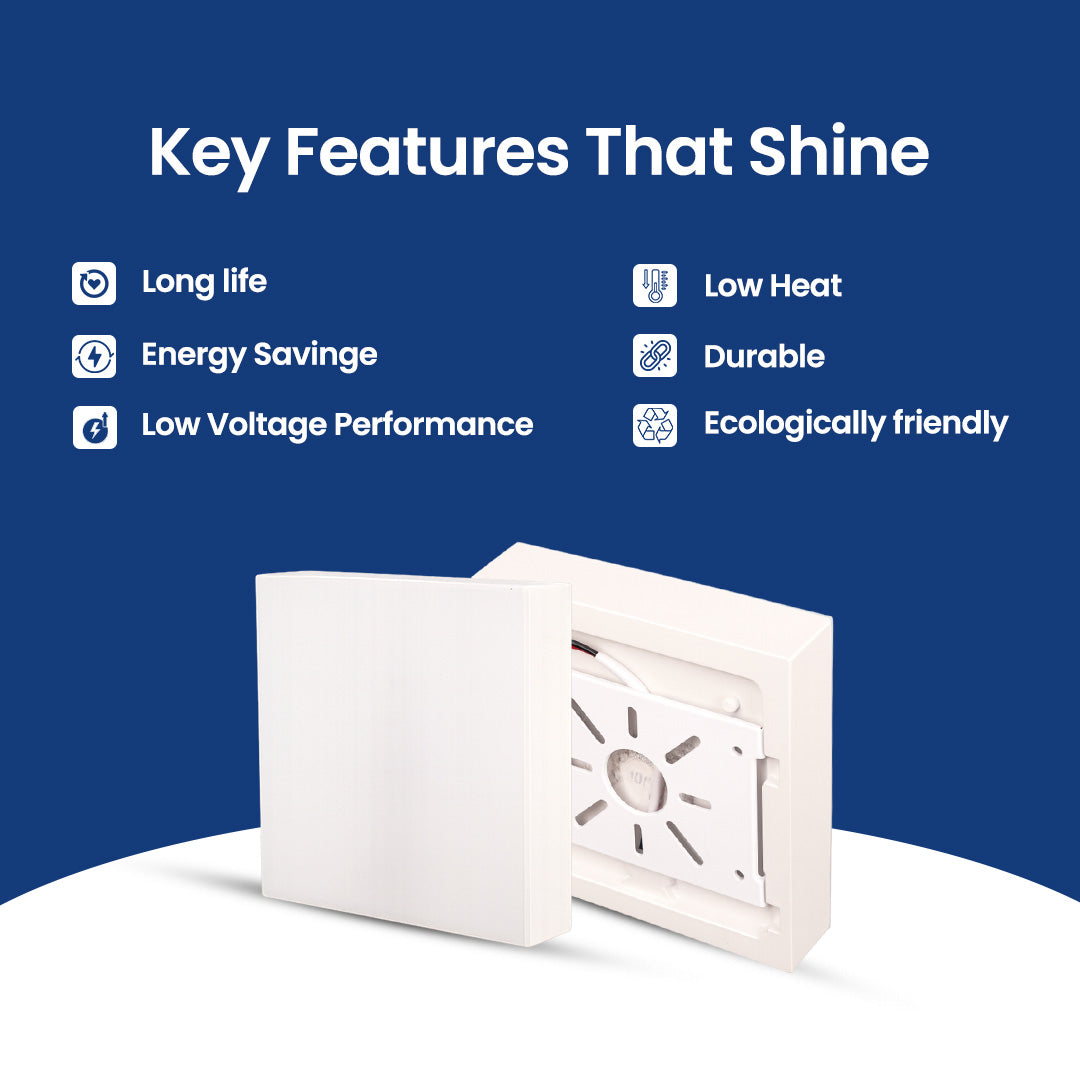
Rimless Surface Panel Light: Everything You Need to Know Before You Buy
Ceiling lighting has quietly gone through a design shift over the past few years. Where bulky fixtures with visible frames used to be the default, a cleaner, more minimal look has taken over — and the Rimless surface panel light sits right at the center of that shift. It's become one of the most requested lighting upgrades for homes, offices, and retail spaces that want bright, even illumination without a visible border interrupting the ceiling's clean lines.
This guide walks through what actually makes this style of fixture different from a standard panel light, how it compares to a LED Rimless Panel Light in more general terms, why a Rimless LED surface panel light has become such a popular specific choice, and what to actually look for before buying one.
What Sets a Rimless Design Apart
Most traditional panel lights, even LED ones, have a visible frame or border running around the edge of the fixture. It's a small design detail, but it changes how the light reads once mounted — there's a clear boundary between the glowing panel and the ceiling around it.
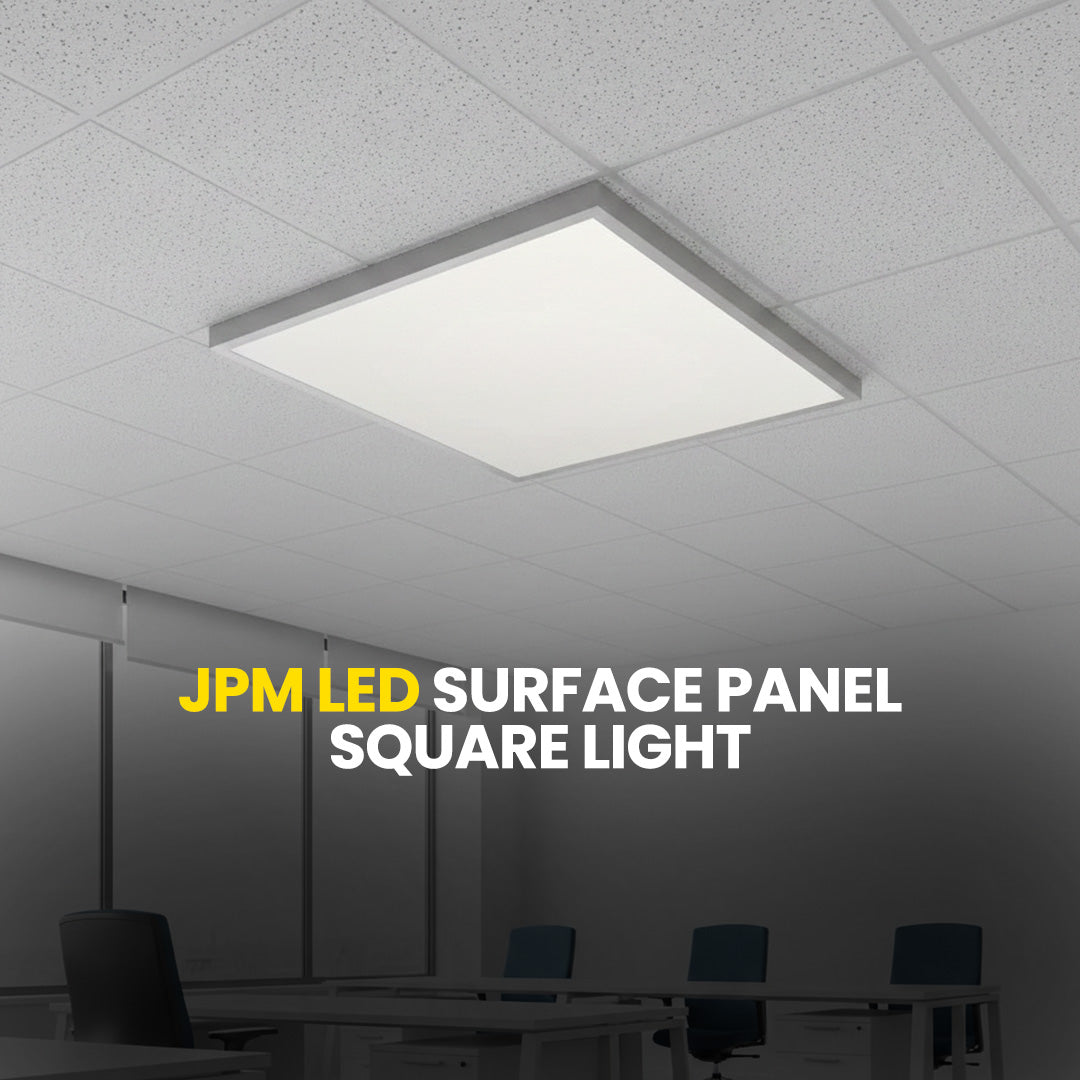
A Rimless surface panel light removes that visible border entirely. Instead of a defined edge, the light diffuses smoothly right up to the fixture's outer rim, creating a much more seamless transition between the light source and the ceiling surface itself. It's a subtle difference on paper, but a noticeable one once it's actually installed in a room.
Why the Missing Frame Actually Matters
It's easy to assume this is purely a cosmetic choice, but there's a functional side too. Because there's no frame interrupting the diffuser, light spreads more evenly across the entire panel, including right at the edges — something that traditional framed fixtures sometimes struggle with, occasionally leaving faint shadow lines or dimmer patches near the border. A Rimless surface panel light avoids that almost entirely, delivering a more consistent, glare-free spread of light across the whole fixture.
Rimless Surface Panel Light vs. a General LED Rimless Panel Light
It's worth clarifying the terminology here, since the two phrases get used somewhat interchangeably. A LED Rimless Panel Light is really the broader category — any LED-based panel fixture built without a visible frame, regardless of how it's mounted. A Rimless surface panel light is a more specific version of that category, referring specifically to a surface-mounted fixture, as opposed to a recessed one that sits flush within a false ceiling.
In practical terms, most people shopping today are looking at the surface-mounted version, simply because it doesn't require cutting into the ceiling or building a false ceiling structure to accommodate a recessed housing. That accessibility is a big reason the surface-mounted rimless style has overtaken the recessed rimless option in popularity for home and small office use.
Why a Rimless LED Surface Panel Light Has Become So Popular
It Suits Modern, Minimalist Interiors
A Rimless LED surface panel light blends into a ceiling far more naturally than a framed alternative, which makes it a favorite choice for interiors leaning toward a clean, minimal aesthetic. There's no visible hardware drawing the eye — just a smooth, glowing panel that looks intentional rather than bolted on.
It Delivers More Even Illumination
As mentioned earlier, the absence of a frame allows light to spread more uniformly across the fixture's entire surface. For rooms where consistent, shadow-free lighting matters — living rooms, offices, retail displays — this makes a genuine, noticeable difference over a standard framed panel.
Installation Stays Simple
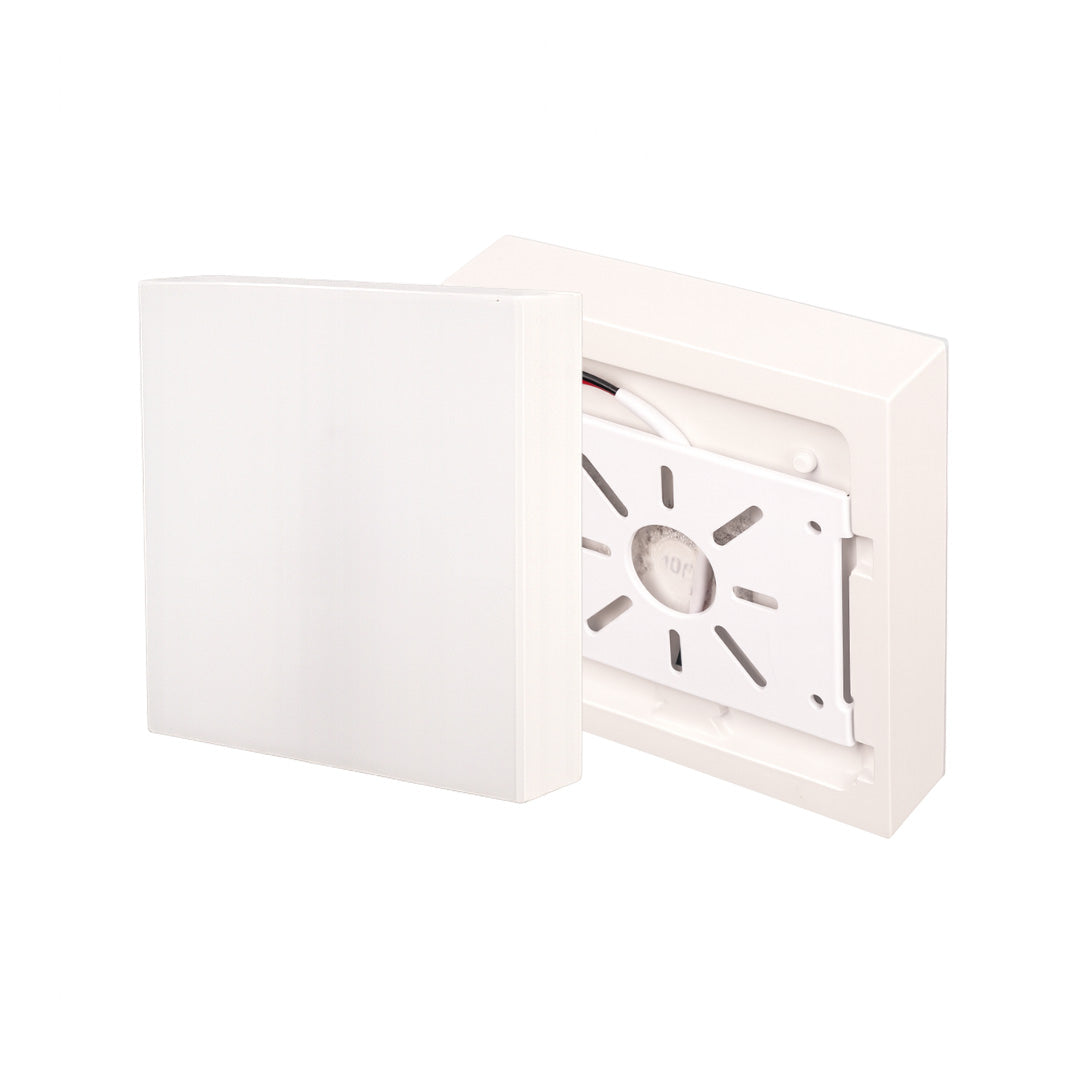
Despite the more refined look, installing a Rimless LED surface panel light isn't any more complicated than installing a standard surface panel light. It mounts directly onto the ceiling using a simple bracket, with no need for structural modifications or recessed cut-outs.
It Works Well in Both Residential and Commercial Settings
From bedrooms and living rooms to retail shops and corporate offices, the versatility of a Rimless surface panel light means it rarely feels out of place. In commercial environments specifically, that clean, uninterrupted appearance tends to photograph and display better — a small but real advantage in spaces designed to showcase products or maintain a polished, professional look.
What to Look For Before Buying
Wattage That Matches the Room
A Rimless surface panel light typically comes in a range of wattages — commonly 6W, 8W, 12W, 15W, 18W, and 24W. Smaller rooms or spaces with strong natural light generally do fine with lower wattage, while larger rooms or task-heavy areas benefit from brighter, higher-wattage options.
Color Temperature Options
Most models offer warm white, cool white, and natural white color temperature choices, and some allow adjusting between them on a single fixture. Warm tones tend to suit bedrooms and relaxed living spaces, while cool or natural white works better in kitchens, offices, and other spaces where focus and clarity matter more.
Surge Protection and Voltage Range
In regions where voltage fluctuations are common, checking for surge protection — often rated up to 4kV in better-built models — along with a wide operating voltage range, helps protect a Rimless LED surface panel light from premature damage or failure during power instability.
Shape: Round or Square
Both round and square variations are widely available. Square panels tend to suit more structured, geometric interiors, while round panels often feel a bit softer and work well in more casual or organic spaces.
Diffuser Quality
Since the entire visual appeal of a rimless design depends on smooth, even light diffusion, the quality of the diffuser material matters more here than it does with a standard framed fixture. A better diffuser produces a more uniform glow with no visible hotspots or uneven brightness across the panel.
Certification and Warranty Coverage
Checking for relevant safety certifications and a reasonable warranty period — typically one to two years for well-made fixtures — is worth the extra few minutes before purchasing. It's a reasonable signal that the manufacturer stands behind the durability of what they're selling.
Installing a Rimless Surface Panel Light
Installation generally follows a straightforward process: a mounting bracket is fixed to the ceiling, and the fixture's wiring connects to the existing electrical point. Since there's no cutting into the ceiling required, the process tends to be quicker and less disruptive than installing a recessed alternative. A confident DIYer can often manage it, though hiring a qualified electrician remains the safer route for anyone unfamiliar with electrical work, particularly when dealing with existing wiring of uncertain condition.
Common Places to Use This Style of Fixture
A Rimless surface panel light fits naturally into a wide range of settings, including:
-
Living rooms and bedrooms
-
Kitchens and dining spaces
-
Home offices and study areas
-
Corporate offices and meeting rooms
-
Retail stores and product display areas
-
Hallways, staircases, and utility spaces
-
Clinics, schools, and other institutional spaces
Its versatility across both residential and commercial use is part of why demand for this particular fixture style has grown so consistently in recent years.
How Pricing Typically Breaks Down
Cost within this category depends on more than just wattage. Build quality, diffuser material, surge protection specifications, and brand reputation all factor into the final price of a Rimless LED surface panel light. A well-built option from an established brand, with solid surge protection and a longer warranty, will generally cost more upfront than a basic alternative — but that difference often pays off through better performance and a longer usable lifespan.
Mistakes Worth Avoiding
A few recurring mistakes show up often when people shop for this type of fixture without a bit of research first. Choosing purely on price, without checking lumen output or overall build quality, can lead to disappointing brightness or premature failure. Overlooking color temperature is another common misstep — a fixture bright enough on paper can still feel wrong for a room if its light color doesn't match the space's purpose. Skipping voltage protection details, especially in areas prone to power fluctuations, can also leave a fixture more vulnerable to early damage than expected.
Keeping It Performing Well Over Time
A Rimless surface panel light doesn't demand much upkeep, but a few simple habits help extend its usable life. Wiping the diffuser surface periodically prevents dust buildup that can dull the light output over time. Occasionally checking wiring connections, particularly after power fluctuations, helps catch small issues before they become bigger problems. And while modern LEDs handle frequent switching far better than older lighting technologies, minimizing unnecessary on-off cycling where practical still helps preserve the components over the long run.
Frequently Asked Questions
Does removing the frame make the fixture more fragile? Not meaningfully. The structural support in most modern designs comes from the aluminum backing and mounting mechanism rather than the outer frame, so durability is generally comparable to a framed alternative when the build quality is otherwise similar.
Can this type of fixture be dimmed? Many models are compatible with standard dimmer switches, though not all — it's worth checking the specific product's compatibility before purchasing if dimming is a priority, since not every driver inside these fixtures supports it.
Is it more expensive than a standard framed panel light? Generally, yes, though the difference is often modest rather than dramatic. The premium reflects the more precise diffuser engineering required to achieve even light distribution without a frame to help contain and direct it.
How long does installation typically take? For a single fixture with an existing electrical point already in place, installation usually takes well under an hour for someone comfortable with basic electrical work, and only slightly longer for a professional electrician handling multiple units.
Will it work with my existing ceiling type? Most surface-mounted options are designed to attach to standard flat ceilings, including concrete, drywall, and false ceiling panels. It's worth confirming weight and mounting compatibility with the specific ceiling material before purchasing, particularly for larger panel sizes.
Who This Style of Fixture Suits Best
Not every space needs this particular upgrade, and it's worth being honest about that. Homeowners and businesses prioritizing a clean, contemporary look — especially in visible, frequently used spaces like living rooms, reception areas, or retail floors — tend to get the most value from the seamless finish this design offers. For purely functional spaces like storerooms, garages, or back-of-house utility areas, the visual benefit matters far less, and a standard, often more affordable, framed panel light does the job just as well without the added cost of the more refined finish.
It's also worth considering existing decor. In a room with strong architectural lines or a more industrial aesthetic, a visible frame can actually complement the space rather than detract from it. The seamless option tends to shine specifically in interiors aiming for a softer, more minimal visual language.
Final Thoughts
A Rimless surface panel light offers a genuinely appealing combination of clean design, even illumination, and straightforward installation — all without the visible framing that older panel lights typically carried. Whether you're comparing it against a broader LED Rimless Panel Light category or specifically choosing a Rimless LED surface panel light for its seamless, minimal finish, the core appeal remains consistent: better light distribution, a more modern look, and performance that holds up well over years of everyday use.
For anyone updating lighting at home, in an office, or across a retail space, taking a little extra time to compare wattage, color temperature, diffuser quality, and voltage protection before buying makes a real difference in long-term satisfaction. A well-chosen fixture in this category tends to quietly improve how a room feels — often in ways people notice without immediately being able to explain why.